Getting it out of the building
What it really costs to move a machine, and what changes the number
Why 2 identical machines can cost very different amounts to move, and which of those factors you can still change.
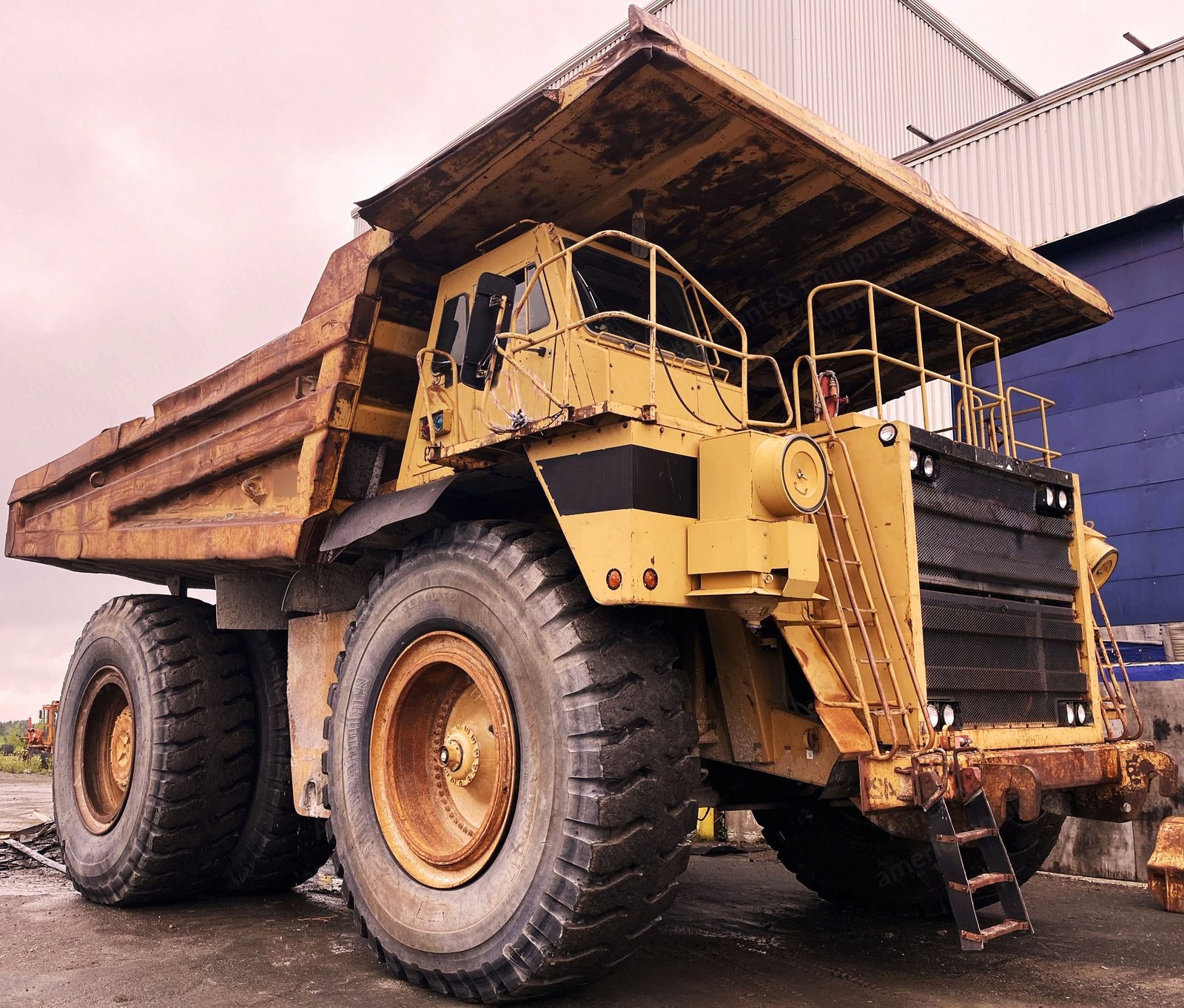
Removal cost comes off the top of whatever anybody will pay you for a machine. That is why 2 identical machines, same make, same model, same year, can be worth noticeably different amounts: one is on a ground floor by a overhead door, and the other is on the third floor behind a structural wall.
We publish no figures here, because a number quoted without seeing the building would be a guess. What is worth knowing is the shape of the cost and which parts of it you can still influence.
What the cost is made of
Rigging. Moving the machine itself: jacking, skating, cranes, gantries, forklifts, and the crew who do it. Priced by difficulty and by hours, not by the value of the machine.
Millwrighting. The skilled work of disconnecting and reconnecting: alignment, mechanical breakdown into transportable sections, and reassembly at the other end. On a production line this is often the largest line item, and it is the one that decides whether the machine works when it lands.
Disconnection. Electrical isolation and termination, pneumatics, hydraulics, water, steam, dust extraction and process piping. Every service has to be made safe, capped, and labeled if it is going back together.
Draining and cleaning. Oil, coolant, resin, adhesive and process residue have to come out before a machine travels, and some of it has to be disposed of properly.
Packing and crating. Wrapping, palletizing, export crates, desiccant and bracing. For an overseas buyer this is not optional and it is not cheap.
Transport. Trucking, and for anything oversized, permits, escorts and a route survey. Weight and dimensions decide the trailer, and the trailer decides the price.
Reinstallation. Foundations, levelling, services, commissioning and the trial run. Usually the buyer’s cost, but it shapes what the buyer is willing to pay you.
Insurance and contingency. Transit cover, and the allowance every honest estimate carries for what the building hides.
What changes the number most
Where the machine sits. Ground floor, close to a door that opens, is the cheapest machine in the plant to buy. Upper floors, tight aisles, low headroom, sprinkler pipes on the route and a doorway narrower than the machine each add real cost.
How it came in. If a wall was opened to install it, a wall will be opened to remove it. Find out early. This is the single largest surprise in machinery removal, and the answer is usually in the original installation drawings or in the memory of the longest serving maintenance person.
Weight and how it is distributed. Floor loading limits, basement voids, ducts and pits under the route all constrain what can drive over what. A machine that must be broken into 4 sections costs far more to move than one that rolls out whole.
How far it breaks down. Some machines split cleanly at designed joints. Others were built up in place. The second kind is a millwrighting project, not a rigging job.
Access outside the building. Crane standing, ground bearing, turning space for a lowboy trailer, and whether the yard is shared with a business that is still trading.
Distance to a port or an interstate. Not the address, which stays private, but the practical geography. Coastal sites and sites near a major route are cheaper to clear.
Time of year and notice. Crews booked 6 weeks out cost less than crews booked for next Tuesday, and winter work in an unheated building is slower.
What you can still do about it
Measure the doors and the route, and write the numbers down. Find the installation drawings. Confirm floor loading limits in writing. Keep power, light and air alive in the removal zone. Leave machines connected until they are sold. Sequence removals by access rather than by value. None of that costs money, and all of it removes the uncertainty that makes an estimate cautious.
When we buy machinery outright, the removal risk transfers to us, which means we carry the surprise if the building hides one. If you want to know what your equipment is worth net of getting it out of the door, send the list along with anything you know about access. That is the version of the answer that is actually useful.
Have a question about your own situation?
Ask it. A person answers, there is nothing to sign, and we will tell you if the answer is that you do not need us.