Getting it out of the building
Preparing machinery for export: paperwork, packing and the questions buyers ask
The documents that move a machine across a border, and why the payment method a buyer proposes tells you how serious they are.
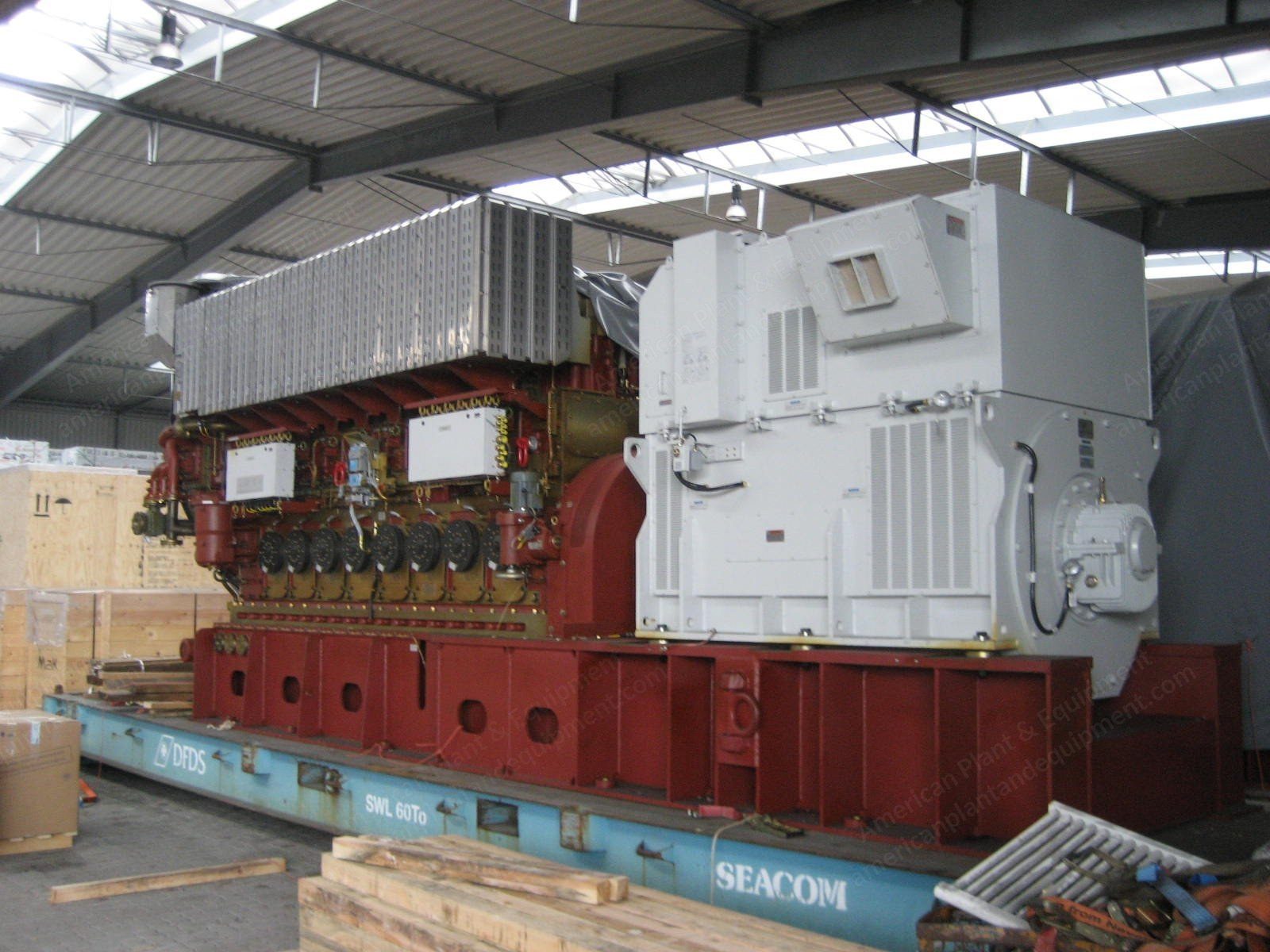
A large share of used production machinery leaves the country it was working in. That is not a complication, it is the reason a second-hand market exists at all: the plant that no longer needs a machine and the plant that does are rarely on the same continent. But an export sale asks for things a domestic sale does not, and a seller who knows what those are gets a smoother transaction and a better class of buyer.
The documents
Commercial invoice. Who is selling, who is buying, what the goods are, the terms of sale, and the currency. Customs at both ends reads this first.
Packing list. Every crate and every skid, with dimensions, gross and net weight, and what is inside each one. It is what the freight forwarder quotes from and what the receiving plant unpacks against.
Certificate of origin. Where the goods were manufactured. Some destinations require a chamber of commerce endorsement, and a few require legalisation beyond that. The requirement depends on the destination country, so it is a question to ask early rather than at the dock.
Bill of lading or air waybill. The transport contract and, for a bill of lading, the document of title. Whoever holds the original controls the cargo, which is why it sits at the center of most payment arrangements.
Insurance certificate, when the terms of sale put the cover on your side.
Depending on destination, add an inspection or conformity certificate, a fumigation certificate for wooden packaging, and any machinery specific import approval. Some countries restrict the import of used equipment by age or require pre-shipment inspection. That is the buyer’s obligation to know, but the sale stalls either way, so ask.
Terms of sale
Agree the Incoterm in writing at the start, not in the last email. The practical question is simple: at which point does the machine stop being your risk and start being theirs. Ex works means the buyer collects and everything after the door is theirs. Terms that carry the goods to a port or to a destination put more of the cost and the risk on you, and that has to be priced.
Whatever you agree, write it with the named place attached. “Ex works, plant location” and “FOB, named port” are terms. The bare abbreviation is not.
Packing that survives the journey
Sea freight is hard on machinery. Salt air, condensation inside containers, and weeks of vibration. Export crating means heat-treated timber to the international standard for wood packaging, bolted-down mounting, bracing against movement in all directions, desiccant inside sealed wrapping, and protection over exposed shafts, screens and control cabinets.
Photograph the machine before packing, after packing, and loaded. Those photographs settle almost every damage claim that follows, in whichever direction the truth points.
Ship the tooling with its machine, in labeled crates, listed on the packing list. Tooling that travels separately arrives late, arrives at a different port, or does not arrive.
What the payment method tells you
This is the part sellers underestimate. How a buyer proposes to pay is the clearest signal available about how real they are.
A serious buyer proposes a documented arrangement: a deposit on order and the balance against shipping documents, or an irrevocable letter of credit through a recognized bank. They know what a bill of lading is and they expect an inspection before or at loading. They ask about crating and about who arranges the freight.
A buyer who wants to take delivery before paying, who proposes a payment route that cannot be traced, who changes bank details by email late in the process, or who avoids naming the end user, is telling you something. Verify any change of bank details by voice, on a number you already had, not on one supplied in the email that requested the change.
Where we fit
Most of the machinery we buy goes to end users abroad, so this is routine work for us rather than a special project. When we buy outright, the export paperwork, the crating and the freight are ours to arrange and yours to stop worrying about. If you are selling directly and want a sanity check on what a buyer is proposing, ask. It is a short conversation and it has saved sellers a great deal of trouble.
Have a question about your own situation?
Ask it. A person answers, there is nothing to sign, and we will tell you if the answer is that you do not need us.