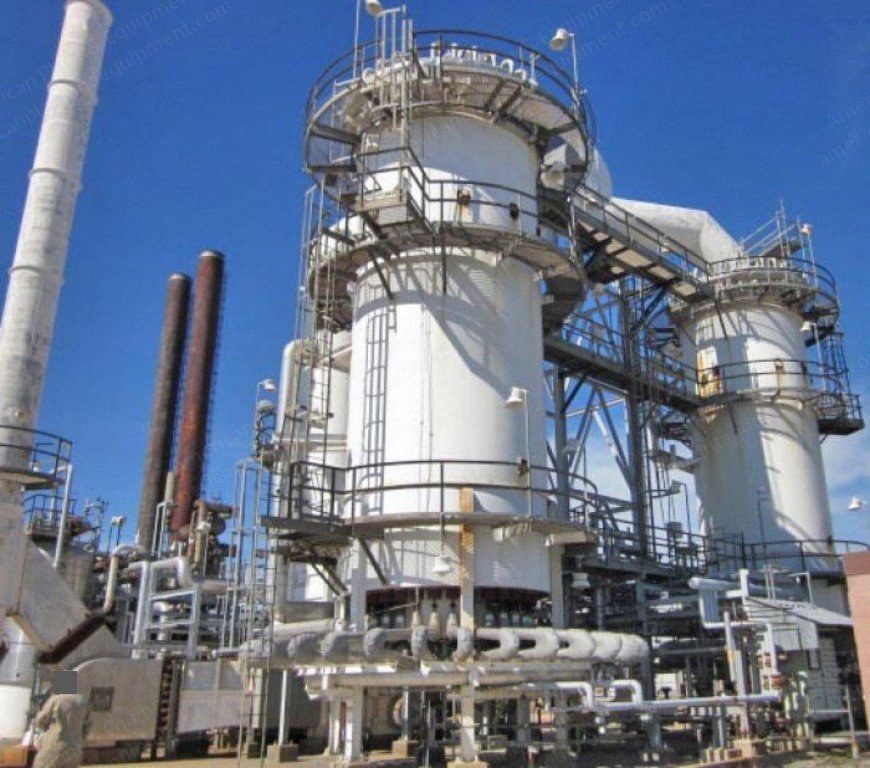
Whole lines and whole sites
Closing a plant, or shutting a line?
We handle the machinery side: valuation, sale, removal and export. You keep running the closure, and the equipment stops being the part nobody has time for.
A closure has 2 dates that govern everything on the equipment side, and most plans find them late. The first is the lease or site handover date, because it usually will not move. The second is the day utilities go off, because almost every removal task needs power, light and compressed air. Everything else on this page is downstream of those 2 dates.
What we do on a closure
Six things, in the order they usually happen.
-
Value the equipment
In writing, against the timeline you actually have, with the standard of value named. Under a non-disclosure agreement if the closure is not public.
-
Split the floor by route
Most closures use more than 1 route. The good machines go one way, the general plant equipment goes another, and a few things are honestly scrap.
-
Buy outright, or place it
We buy what fits our buyer network and pay for it. Where a machine will do better with an end user, we place it directly with one.
-
Plan the removal against your dates
Sequenced by access rather than by value, worked against the utilities schedule, and agreed with whoever still holds the keys.
-
Disconnect, rig, crate and ship
Millwrighting, rigging, export crating, documents and freight. Your team keeps its own list short.
-
Sign the floor out
Every machine recorded: what it was, who took it, when, and on whose authority. That record is what stops an argument 6 months later.
The fears this page exists to answer
It is confidential and cannot be announced yet
Then it stays confidential. A buyer can price a list from 4 things: the machine detail, the region, the industry and the timeline. Not the site name, not the address, not your client's name. We work from that version until you tell us otherwise, and we will sign a non-disclosure agreement before the detailed list goes out.
We do not have the people to run a disposal project
Most closures do not. That is the argument for an outright sale: 1 counterparty, 1 agreed number, 1 removal window, and the risk of what the building hides moves to us. Your side of it is a list, a set of dates, and somebody with keys.
The date will not move
Tell us the date in the first email. It changes the advice, not the willingness. If the floor has to be empty in 3 weeks and the recovery matters less than the certainty, an auction will beat us on speed and we will say so.
Nobody knows what is actually on the floor
That is normal. The fixed-asset register is an accounting record and it will be wrong about half of it. Send what you have, however rough, and we will tell you what needs more detail before anybody can quote it.
Some of it is not ours to sell
Leased equipment, customer-owned tooling and machines against which a lender holds security all turn up in closures. Flag them early and keep them on a separate list. Sorting that out late is what stops a removal on the day.
What raises the recovery, in order
- Starting before the announcement rather than after the last shift.
- Leaving machines connected and demonstrable until they are sold.
- Keeping tooling, manuals, drawings and program backups with their machines.
- A list with 8 fields per machine and 5 photographs.
- Utilities and access kept live in the removal zone until the last machine leaves.
- 1 named person who owns the equipment from the first list to the last truck.
Every one of those is cheap. Together they are usually the difference between orderly liquidation value and forced liquidation value on the same equipment.
The 90-day timeline
What has to happen to the machinery in each month of a 90-day closure, who owns each step, and the 2 deadlines that govern the rest.
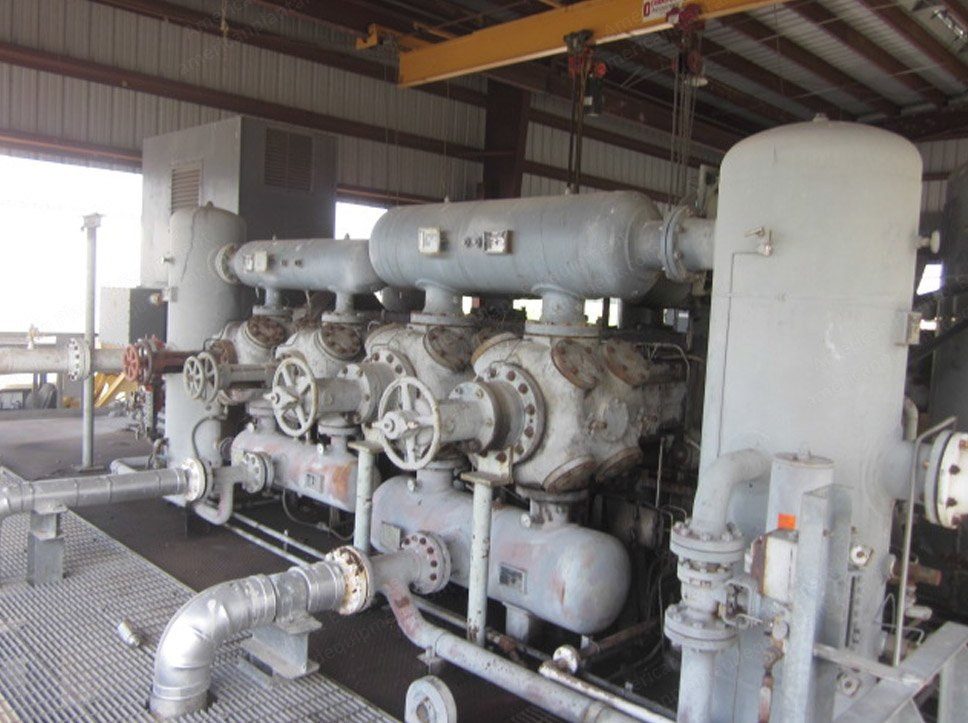
Confidential closures
How disposal work runs in parallel with a closure that has not been announced, and where the line actually sits.
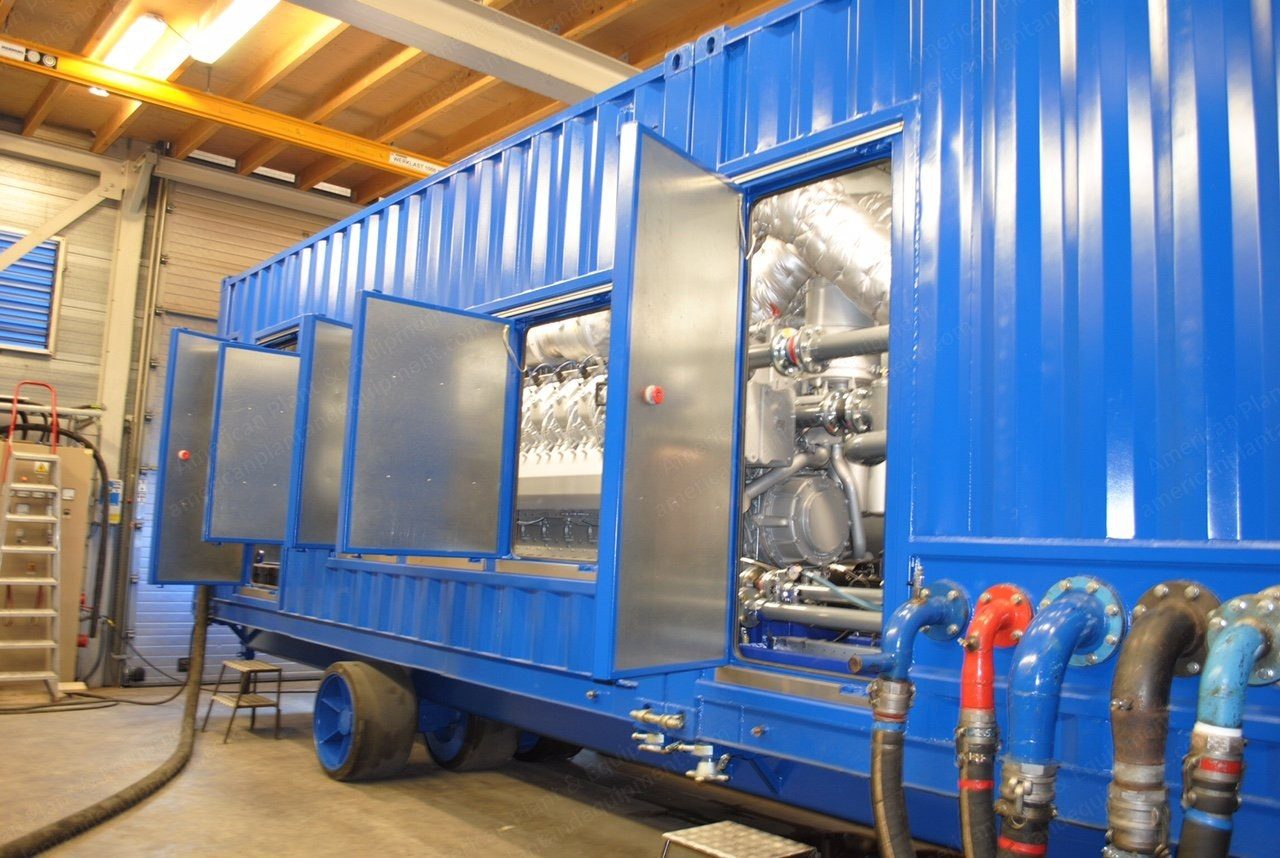
Tell us about the closure
More fields than our other forms, because this is a project rather than an errand and the answers save a week of email. Nothing here is published, and nothing commits you.
- Confidential by default. Ask for a non-disclosure agreement and we will sort one out.
- Region and industry are enough at this stage. We do not need the site name.
- Answered by a person. If it is urgent, call (864) 574-0404.
Plant closure enquiry
Not announced yet?
Then nothing goes anywhere. Send the list with the site details left out, and we will treat it as confidential from the first email.
Or call (864) 574-0404 and ask for the asset recovery desk.