Running the closure
The 90-day plant closure timeline, from the equipment side
What has to happen to the machinery in each of the three months, who owns each step, and the two deadlines that quietly govern everything else.
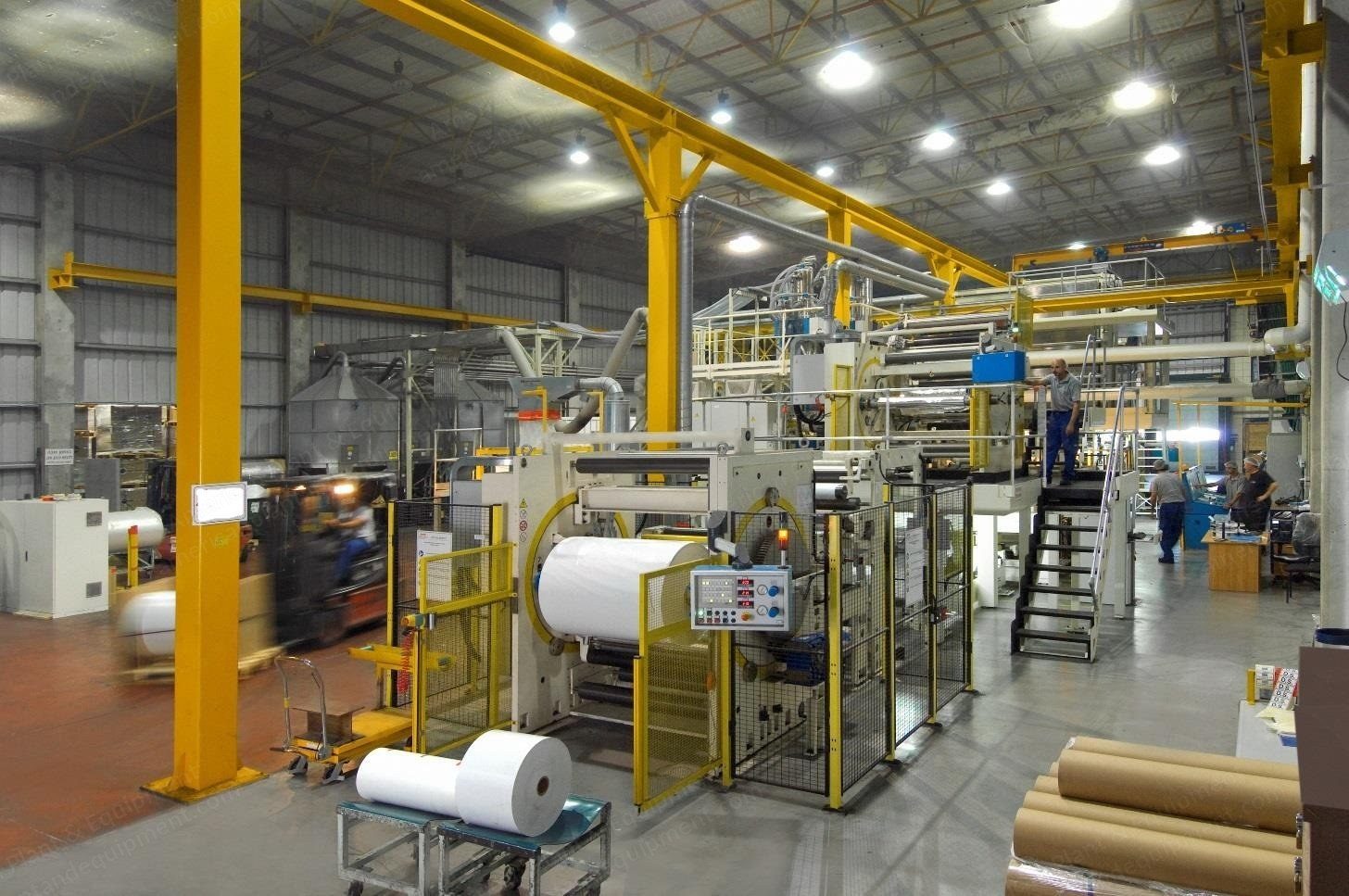
Most closure plans are built around people and around the last day of production. The machinery is handled last, by whoever is still there. That order is backwards, and it is where the money goes.
Here is the equipment side of a 90-day closure, month by month. If you have less than 90 days, run the same sequence faster and expect the recovery to be lower, which is the honest trade.
Days 90 to 60: decide and inventory, before anything is announced
The first task is not selling. It is knowing what you have. A fixed-asset register is not an equipment list; it is an accounting record, and it will be wrong about half of what is on your floor. Somebody has to walk the plant with a phone and a spreadsheet.
8 fields per machine make a list a buyer can price: make, model, year, serial number, quantity, current condition, whether it is under power, and what tooling or change parts go with it. Add 5 photographs: the whole machine from a corner so its size reads, the nameplate, the control panel, the working section, and any damage. Serial numbers matter more than model numbers on older equipment, because the model tells you the family and the serial tells you the build.
At the same time, run the triage that decides everything downstream. Every machine gets one of 3 labels: redeploy to another site, sell, or scrap. Redeployment beats every other option when it is real, because it avoids the transaction entirely. Be honest about it though: a machine that gets shipped to another plant and never installed has cost you twice.
Two dates now govern the whole project, and you should find them in week 1. The first is the lease or site handover date, because it is usually immovable. The second is the day utilities go off, because almost every removal task needs power, light and compressed air.
Days 60 to 30: market it while the plant is still standing
This is the window that separates orderly liquidation value from forced liquidation value, and it is the one most often wasted because the announcement has not gone out yet.
You can market machinery confidentially. A buyer does not need the site name, the client name or the address to price a list. Region and industry are enough to start. If confidentiality is critical, say so in the first email and ask for a non-disclosure agreement before the detailed list goes out. Any serious buyer will sign one without complaint.
While the plant is still staffed is also the only time you can economically do the things that raise the number: run each machine and record it, gather the tooling that belongs to it, find the manuals, and photograph everything in reasonable light. After the last shift, all of that becomes a special trip.
Decide the route now as well. Outright sale to a dealer gives you certainty and a date. A broker or consignment gives you a higher ceiling and no floor. An auction gives you speed and a hard finish, at the lowest of the three values. Most closures end up using more than one route, and that is fine: the good machines go one way and the general plant equipment goes another.
Days 30 to 0: the last shift, and the handover
Do not disconnect anything until it is sold or until the calendar forces it. A demonstrable machine is worth materially more than the same machine on a pallet, and the cost of leaving it connected for another 3 weeks is close to nothing.
Sequence removals by access, not by value. The machines nearest the doors go last if the machines behind them have to come out through the same opening. A rigging crew that has to move a sold machine twice will charge you for it twice.
Keep a short list of site services alive to the end: power to the removal area, lighting, compressed air if the machines need it, a working dock or overhead door, and 1 person with keys who knows the building. Confirm floor loading limits and door clearances in writing before a crane or a forklift arrives, because the discovery that a machine will not fit through the opening it came in through happens more often than anyone expects.
Finally, decide who is responsible for what leaves. Every machine that goes needs a paper trail: what it was, who took it, when, and on whose authority. That record is what keeps a closure from turning into an argument 6 months later.
What to do in the first hour
Start the list. It is the only task that cannot be delegated to a buyer, an auctioneer or a broker, and nothing useful happens until it exists. Send it to us when it is half done, not when it is perfect. We will tell you what is worth money, what is worth moving, and what is not worth the freight.
Have a question about your own situation?
Ask it. A person answers, there is nothing to sign, and we will tell you if the answer is that you do not need us.