Running the closure
How to build an equipment list that a buyer can actually price
The 8 fields that turn a spreadsheet into a quotable list, and how to photograph a machine so it does not have to be visited twice.
Every disposal starts with a list, and the quality of that list decides the quality of the offers. A buyer who can price your machinery from a document quotes it. A buyer who cannot either asks 40 questions or estimates conservatively, and a conservative estimate has to cover everything nobody told them.
The good news is that the list is not hard. It is 8 fields and 5 photographs per machine, and one person can build it while the plant is still running.
The 8 fields
- Make. The maker’s name as it appears on the nameplate, not as people say it on the floor.
- Model. Exactly as written, including any suffix. A suffix usually means a different width, a different drive or a different generation.
- Year built. From the nameplate where possible. If you only know the year it was installed, say so, and say which one it is.
- Serial number. On older equipment this matters more than the model, because the model tells you the family and the serial tells you the build. It is also how a buyer checks a machine’s history with the maker.
- Quantity. If you have 6 of something, say 6 rather than listing 6 rows, unless the machines differ.
- Condition, in plain words. Running, running with a known fault, idle but complete, idle and stripped. Write the fault down. It will be found anyway, and finding it late is what kills deals.
- Under power, yes or no. The single most valuable line on the list. A machine a buyer can watch run is a different asset from one that cannot be demonstrated.
- What goes with it. Tooling, dies, change parts, spare rolls, the control cabinet, manuals, drawings, PLC program, license keys. Tooling travels with its machine or it is worth a fraction of what it cost.
Two more fields are worth adding when you can: overall size and weight, and how the machine gets out of the building. Both are questions every serious buyer will ask, and answering them up front is the difference between a quote and a site visit.
The photographs
5 per machine, taken in the best light you have.
- The whole machine from a corner, so its size and shape read at a glance.
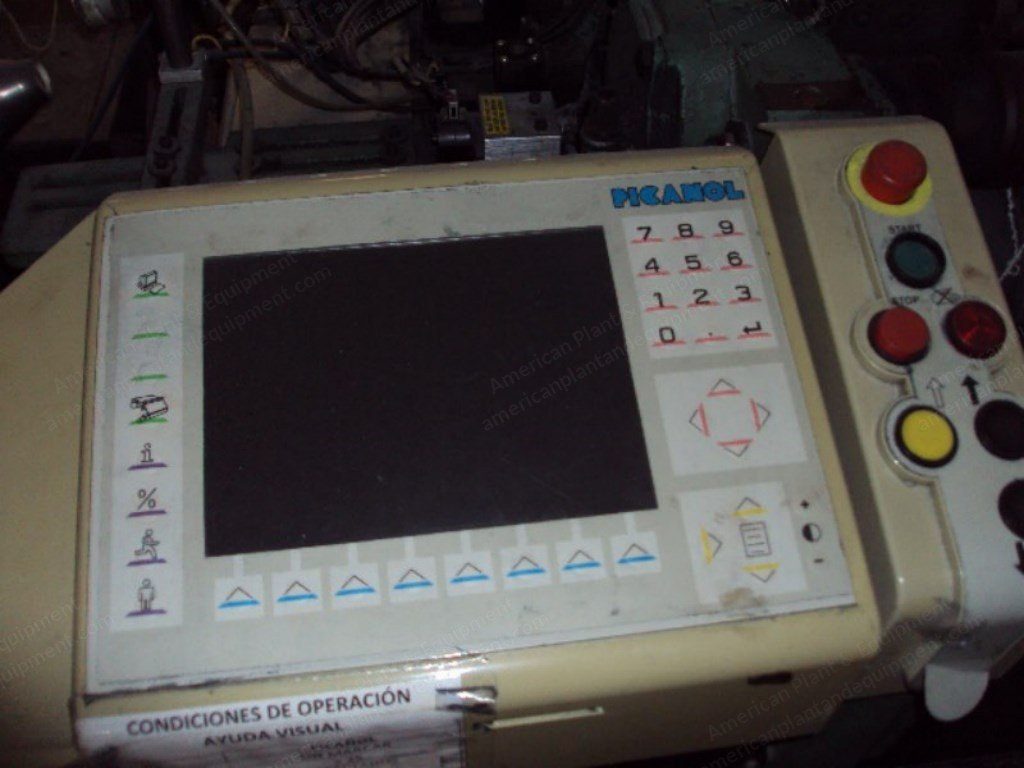
- The nameplate, close enough to read every line.
- The control panel or cabinet, doors open if it is safe.
- The working section: the head, the die, the tool station, whatever does the job.
- Anything worn, damaged or missing.
Photograph the faults. A buyer who sees a fault in the photographs prices it once. A buyer who finds it on the day of collection reopens the whole conversation, and by then you have no leverage and no time.
How to organize it
One row per machine, one tab per building or department, and a machine number in the first column that also gets written on the machine itself with a marker or a tag. That number is what everybody uses afterwards: the buyer, the rigger, the insurer, and whoever signs the equipment out of the building.
Keep the photographs in folders named by that same number. Do not embed them in the spreadsheet. Buyers forward these lists internally, and a 200 MB workbook does not travel.
What not to put on it
The site address, the client name, and any internal valuation. A buyer does not need any of the 3 to price a list, and once a number is written down it anchors the conversation whether it was right or not. Region and industry are enough to start, which is also what lets you market a closure that has not been announced yet.
Send it before it is finished
Half a list this week is worth more than a complete one next month, because the half you have tells a buyer whether the whole thing is interesting and what to ask about. Send it when it is rough. We will tell you which entries need more detail before anybody can quote them, and which ones we can price as they stand.
Have a question about your own situation?
Ask it. A person answers, there is nothing to sign, and we will tell you if the answer is that you do not need us.