Deciding what to do
The nine things that quietly destroy the resale value of your machinery
Value leaks that happen between the decision and the sale. Most of them are free to avoid, if you know about them first.
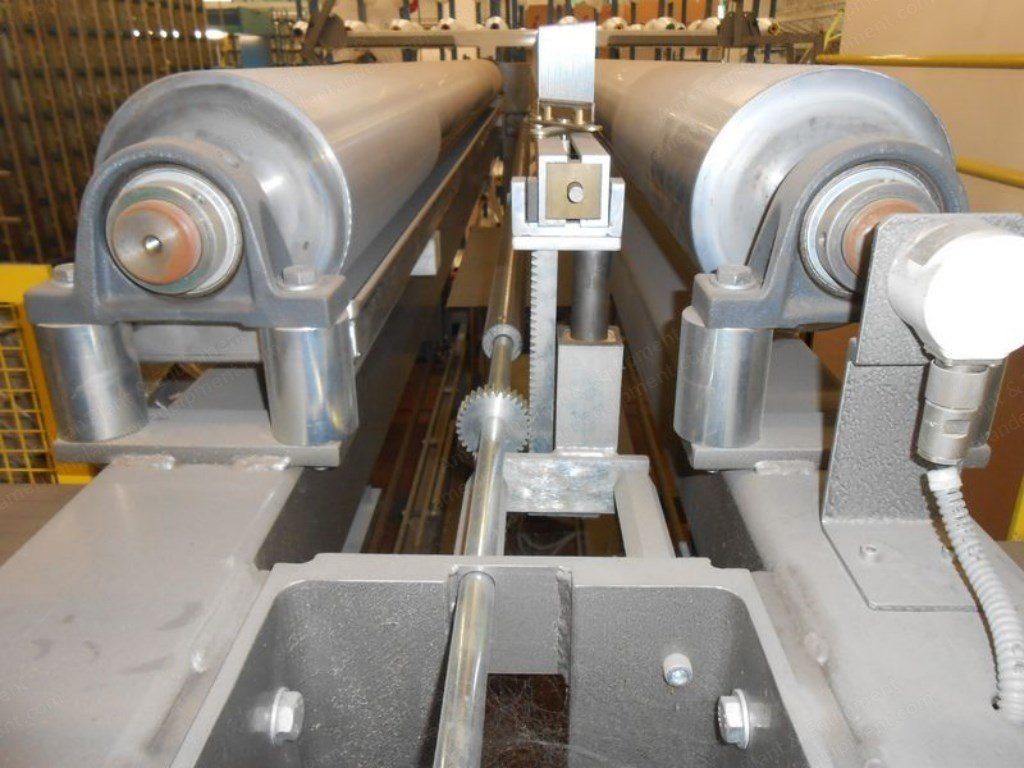
None of these are dramatic. Nothing catches fire. Each one just takes a percentage off the number, and because they happen in the ordinary course of shutting a plant down, nobody notices until the offers come in low and nobody can say why.
1. Cannibalising for spares
A plant that is closing keeps running until the last day, and the closest source of a needed part is the machine next to it. By the time the equipment is marketed, 3 machines are incomplete and the parts are inside a fourth that has already been sold. Decide early which machines are being sold and put them out of bounds. If a part has to be taken, write down what came from where.
2. Losing the tooling
Dies, change parts, formats, rolls, fixtures, spare screens, the second set of anything. On many machines the tooling is a large share of the value, and it is the first thing to end up on a pallet in a corner with no label. Tooling travels with its machine or it is worth a fraction of what it cost.
3. Cutting the cables
Disconnecting a machine before it is sold turns a demonstrable asset into an unknown one. A buyer who can watch it run pays for a running machine. A buyer who cannot pays for the risk that it does not. If it can stay connected, keep it connected, even if the plant around it is dark.
4. Losing the nameplate, the manual and the software
The nameplate is the machine’s identity. On older equipment it is often the only reliable record of the build. Manuals, wiring diagrams, PLC programs, license keys and backup files are worth real money to the next owner and cost nothing to keep. Photograph every nameplate the week you start the list, before anything moves.
5. Weather and time
Machines put outside “temporarily” do not come back. Two seasons of rain into an unsealed control cabinet will cost more than the storage would have. If equipment has to sit, it sits inside, dry, and preferably with somebody turning it over occasionally.
6. Leaving product, fluids and residue in the machine
Coolant, oil, resin, adhesive, fiber, and whatever the last run left behind. Residue causes corrosion, makes an inspection unpleasant, and raises questions about what the machine was actually processing. Draining and cleaning at the end of the last shift, while there are still people who know how, is one of the highest-return hours in the whole project.
7. Bad photographs
Most buyers make the first cut from photographs, often from another continent. Dark, cropped, cluttered shots at odd angles get skipped. 5 good photographs per machine change the size of the audience: the whole machine from a corner, the nameplate, the control panel, the working section, and anything that is worn or damaged. Photograph the faults too. Hiding them just moves the argument to the day of collection.
8. A vague equipment list
“Extruder, good condition” is not a listing, it is an invitation to be low-balled. Make, model, year, serial, quantity, condition, under power or not, and what comes with it. A list with those 8 fields gets priced. A list without them gets estimated conservatively, because the estimate has to cover what nobody told the buyer.
9. Waiting until the announcement
The most expensive mistake of all, and the easiest to make. Disposal work that runs in parallel with a confidential closure captures the value of time. Disposal work that starts the week after the last shift is a forced sale wearing a different name. You can market machinery without naming the site, and any buyer worth dealing with will sign a non-disclosure agreement before the detailed list goes out.
The pattern behind all 9
Every one of these is cheap to prevent and expensive to fix, and every one of them happens because the machinery was somebody’s third priority during a hard quarter. The fix is a single decision made early: 1 named person owns the equipment, from the first list to the last truck. Everything on this page follows from that.
If you want a second opinion on what you have before any of it starts moving, send us the list. We will tell you what is worth protecting, and what is not worth the freight.
Have a question about your own situation?
Ask it. A person answers, there is nothing to sign, and we will tell you if the answer is that you do not need us.