For the seller who is really a buyer
Selling machinery from a plant that is still running
How to sell the spare line, the second shift, or the equipment from a discontinued product, without disrupting the plant that is still earning.
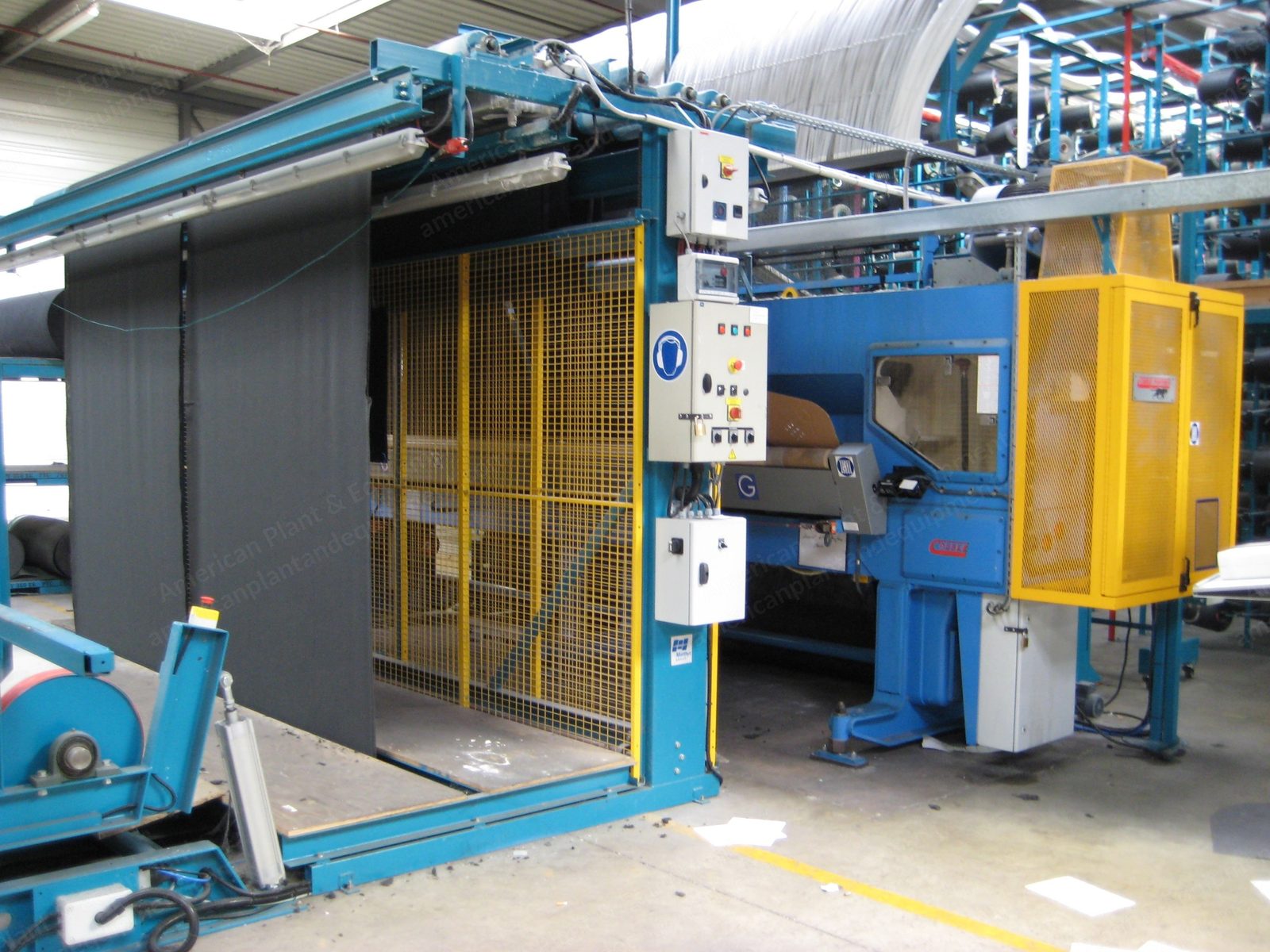
Not every sale comes from a closure. Most of the machinery we buy comes out of plants that are trading perfectly well: a product was discontinued, a line was replaced, a second shift never came back, or a machine was bought for a contract that ended. The equipment is idle, the plant is busy, and nobody has the appetite for a project.
That is a different job from a closure, and it needs different handling, because the priority is not recovery. It is not disturbing production.
Decide what is genuinely surplus
The honest test is not “might we need it”. It is “what would have to happen for us to run this again, and who believes that will happen this year”. Machines kept against a possibility depreciate quietly, take floor space that is being paid for, and are usually in worse condition when the possibility finally arrives.
Keep a machine if it is a real standby for a running line, if spares are hard to find and it is your spares donor, or if a contract in negotiation would use it. Sell it if none of those is true.
Sell before you disconnect
The rule that matters most in a closure matters more here, because you have no deadline forcing your hand. A machine still in place, still connected, still demonstrable, sells for more and sells faster. Moving it to a corner of the warehouse “to get it out of the way” costs you a move, costs you the demonstration, and usually costs you some tooling.
If floor space is the reason for selling, say so in the first conversation. It changes the timeline, not the approach.
Protect the running plant
This is the part that gets missed, and it is the part your operations manager cares about.
Agree a removal window that fits the production schedule, not the buyer’s. Agree the route through the building, and confirm it does not cross a live line, a clean area or a fire escape. Decide who escorts the crew, who inducts them, and what the rules are on hot work, on photography, and on anything they might see that is nobody’s business.
Isolation is the risk. A machine on a shared electrical panel, a shared compressed air ring or a shared extraction system cannot simply be cut out. Have maintenance identify shared services before the crew arrives, and plan the isolation as a scheduled job. That single step prevents the one bad outcome here, which is a removal that stops the plant.
Confidentiality inside a working plant
Employees notice a machine being photographed. They draw conclusions, and the conclusions travel further than the facts. Decide up front what will be said, say it early and plainly, and keep the story consistent: this equipment is surplus and is being sold, the plant is not closing.
If that is not the whole truth, read the guide on running a confidential closure and take the sequencing advice from your own counsel first.
Sell the line as a line
If a complete line is coming out, sell it as a line rather than as a pile of machines. A working line, photographed running, with its layout drawing, its controls and its spares, is worth more than the sum of its parts because the buyer can put it back together. Break it into individual machines and you are selling used machinery. Keep it together and you are selling capacity.
Photograph the layout, record the line running end to end, and keep the drawings with it. That video is worth more than any description we could write.
What we do with this kind of sale
We buy outright, which suits a plant that wants 1 transaction, 1 removal window and no ongoing project. We also place equipment with end users in our buyer network across 18 industries when that suits the machine better and you can wait.
Either way, the first step is the same and it costs nothing. Send the list, tell us when the plant can spare an afternoon, and we will tell you what it is worth and what removing it would involve.
Have a question about your own situation?
Ask it. A person answers, there is nothing to sign, and we will tell you if the answer is that you do not need us.